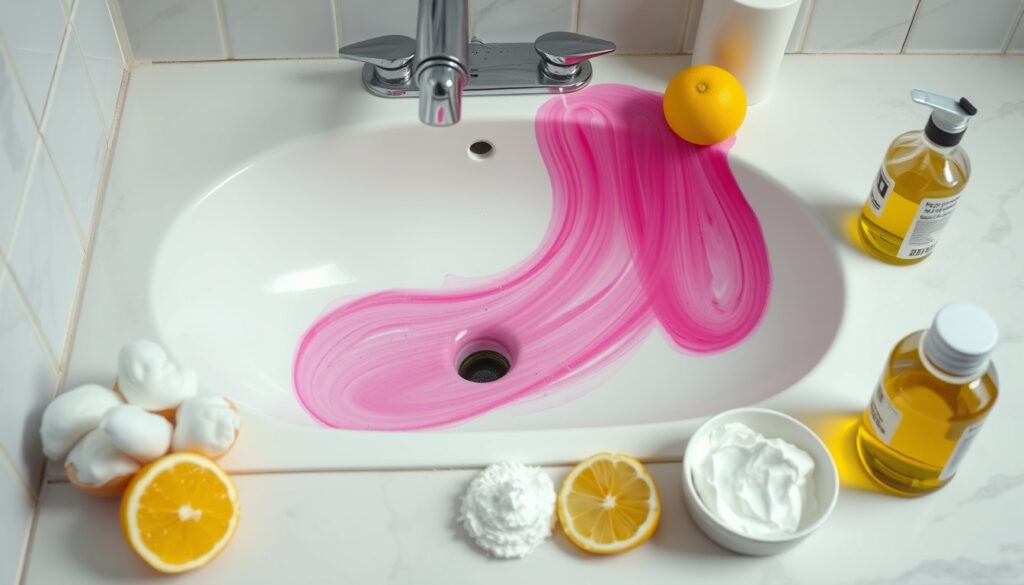
How to Get Hair Dye Off Skin – Proven Household Methods
How to Get Hair Dye Off Skin: Effective Removal Guide
Hair dye stains on the skin are a common occurrence during at-home coloring sessions. Whether you’re touching up your roots or completely changing your hair color, accidental transfers to your hands, face, neck, or ears can happen even to the most careful individuals. The good news is that most dye stains can be effectively removed using household items and simple techniques, especially when addressed promptly. Understanding which removal methods work best for different skin areas and dye types can save you frustration and help restore your skin’s natural appearance quickly.
The effectiveness of stain removal largely depends on how quickly you act and the type of dye used. Semi-permanent dyes typically fade faster and are easier to remove, while permanent dyes containing chemicals like paraphenylenediamine (PPD) may require more persistent effort. Different skin areas also respond differently to various cleaning agents, with facial skin requiring gentler approaches compared to the more resilient skin on your hands.
This guide covers proven methods for removing hair dye from skin, household remedies ranked by effectiveness, prevention strategies, and what to expect in terms of fading timelines. Whether you’re dealing with a fresh stain or trying to lighten an existing one, these techniques offer practical solutions for every situation.
How Do You Get Hair Dye Off Skin? Quick Removal Methods
Makeup remover or petroleum jelly applied immediately
Olive oil or baking soda paste
Soap and warm water scrub
Vaseline barrier before coloring
Key Insights on Hair Dye Removal
- Speed matters significantly — Removing dye within the first hour before it dries produces the best results and requires minimal effort.
- Facial skin requires extra care — The skin on your face and hairline is more sensitive than body skin, necessitating gentler cleaning approaches.
- Permanent dyes are harder to remove — Chemical compounds in permanent dyes penetrate the skin’s outer layer more deeply than semi-permanent options.
- Natural oils work well for sensitive skin — Olive oil and similar products provide effective cleaning without the irritation potential of harsher chemicals.
- Multiple attempts may be necessary — Stubborn stains often require repeating the cleaning process several times over a few days.
- Exfoliation helps fade remaining marks — Natural skin cell turnover gradually removes residual staining from deeper skin layers.
Method Comparison Snapshot
| Method | Time to Work | Skin Safe | Best For |
|---|---|---|---|
| Soap and Water | Immediate | All skin types | Fresh stains |
| Olive Oil | Up to 8 hours | Sensitive skin | Face and neck |
| Baking Soda Paste | 5-10 minutes | Normal to oily | Hands and body |
| Rubbing Alcohol | 1-3 minutes | Avoid sensitive | Stubborn stains |
| Nail Polish Remover | 30-60 seconds | Hands only | Heavy hand stains |
Best Household Items and Products to Remove Hair Dye Stains
Several household items have proven effective for removing hair dye from skin. These range from gentle natural oils to more potent cleaning agents, each with specific advantages and considerations depending on the skin area affected and your skin’s sensitivity level.
Natural Cleansers and Oils
Olive oil stands out as one of the most reliable natural options for dye removal. According to Healthline, applying a small amount to a cotton ball and gently rubbing it into the stained area can yield significant results. For best outcomes, leave the oil on the affected skin for up to 8 hours—covering it with a bandage or plastic wrap overnight prevents transfer to bedding and allows the oil to break down the dye compounds effectively.
After the soaking period, wash the area thoroughly with warm water and soap. This method is particularly well-suited for sensitive skin types that might react poorly to chemical-based removers.
Baking Soda Combinations
Baking soda acts as a gentle exfoliant and is highly effective for dye removal on hands and body areas. Multiple combination approaches exist, as documented by TuboTowels cleaning experts:
- Mix baking soda with dish soap to form a paste, then gently rub over stains and rinse
- Combine laundry detergent and baking soda in a 1:1 ratio, rub for 30-60 seconds, and rinse with warm water
- Mix baking soda with lemon-containing dish soap for enhanced stain-breaking results
These combinations leverage the mild abrasive properties of baking soda while the cleaning agents penetrate and lift dye pigments from the skin surface.
Always start with the mildest method available. Soap and water should be your first attempt for any fresh stain, as it poses zero risk of skin irritation while often being sufficient for recently applied dye.
Chemical-Based Removers
Rubbing alcohol can remove stains but may be harsh and drying, making it unsuitable for very sensitive or dry skin types. Healthline recommends applying rubbing alcohol to a cotton ball, gently dabbing the stained area, then rinsing thoroughly with warm water and soap.
Toothpaste, particularly non-gel varieties, is used by some people though no scientific evidence fully supports its effectiveness. It may lighten stains due to baking soda content but could potentially irritate sensitive skin. Apply to a cotton swab, massage gently for 5-10 minutes, then remove with a warm washcloth.
Nail polish remover containing acetone should only be used on hands and never on the face or neck. Apply a small amount to a cotton swab, rub over the stain briefly, then wash immediately with warm water and soap and moisturize afterward.
Professional Products
Hair stylists and color specialists have access to specially formulated products designed specifically for dye removal. If at-home methods fail to remove stubborn stains, visiting a professional typically results in complete removal for a small service fee. These products are formulated to be effective while minimizing skin irritation. For those seeking comprehensive skincare solutions and professional guidance, scheduling a consultation with a licensed aesthetician can provide personalized recommendations tailored to your skin type.
Removing Hair Dye from Face, Forehead, and Other Areas
Different body areas have varying skin thickness and sensitivity, which directly impacts which removal methods are appropriate. Treating facial areas requires more caution than dealing with stains on your hands or body.
Facial Skin and Hairline
Facial skin is more delicate than skin elsewhere on your body, making gentle approaches essential. Healthline specifically notes that soap and water represent the preferable first step for facial areas like your hairline and face. Wiping off dye before it dries or shortly after application often removes it completely without requiring any abrasive or chemical intervention.
For residual staining after initial cleaning, olive oil applied with a cotton ball offers a safe, gentle option that won’t irritate the sensitive skin around your forehead and ears. Allow it to sit for several minutes before wiping clean.
Neck and Ears
The skin on your neck and behind your ears falls somewhere between facial and body skin in terms of sensitivity. Gentle soap and water works well initially, followed by careful application of olive oil if needed. Avoid rubbing alcohol and nail polish remover in these areas.
Hands and Fingers
Hands are typically the most affected area during hair coloring and can withstand more intensive treatment. TuboTowels notes an interesting paradox: applying leftover hair dye to stained hands, rubbing it in, then wiping off with soap and a washcloth can actually help remove the stains by saturating the area and lifting the pigment.
Baking soda combinations work exceptionally well on hands due to the slightly rougher skin texture that tolerates gentle exfoliation. For particularly stubborn stains on hands only, nail polish remover provides strong results when used sparingly and followed by thorough moisturizing.
Never use nail polish remover, bleach, or undiluted rubbing alcohol on facial skin, neck, or ears. These harsh chemicals can cause irritation, burns, or allergic reactions on sensitive areas.
How Long Does Hair Dye Stay on Skin and Does It Fade?
Hair dye stains on skin typically fade naturally over time through the skin’s natural exfoliation process. Understanding the typical timeline helps set realistic expectations and determine whether active removal efforts are necessary.
Stain Fade Timeline
- Immediate removal (0-1 hour) — Fresh dye responds best to cleaning. Soap and water or gentle wiping removes most or all staining at this stage.
- Fading period (1-3 days) — If dye has dried or set, repeated cleaning attempts gradually lighten stains. Natural skin cell turnover begins working beneath the surface.
- Stubborn residual (3-7 days) — Deeply set stains from permanent dyes may take up to a week to fully disappear. Regular gentle exfoliation through normal washing accelerates this process.
- Complete clearance (7-14 days) — Most dye stains, even from permanent products, clear completely within two weeks through natural skin renewal.
Factors Affecting Fade Duration
Several factors influence how long dye remains visible on your skin. Permanent dyes containing PPD take longer to fade than semi-permanent alternatives. The location of the stain matters too—areas with thicker skin like hands retain stains longer than facial areas where skin regenerates more quickly.
Individual skin type also plays a role. Oily skin may repel dye more effectively, while dry skin can allow pigments to penetrate more deeply. Consistent moisturizing during the fading period helps maintain skin health while the natural renewal process clears the staining.
Tips to Prevent Hair Dye from Staining Your Skin
Prevention represents the most effective strategy against unwanted dye stains. Taking protective measures before starting your hair coloring session eliminates the need for removal efforts afterward.
Barrier Protection
Before dyeing hair at home, apply moisturizer or petroleum jelly to your hairline, forehead, ears, and neck. Healthline recommends creating a protective barrier along all areas where accidental dye contact might occur. This thick layer prevents dye from penetrating the skin while being easy to wipe away after coloring is complete.
For the hairline specifically, apply a thin line of petroleum jelly right at the edge where hair meets forehead. This catches any drips or runoff before they reach your face.
Quick Response Protocol
Wipe up any spills immediately with a damp cotton swab or washcloth to prevent stains from setting. The moment dye touches unintended skin, quick action significantly reduces the effort needed for complete removal. Keep cleaning supplies within arm’s reach during your coloring session so you’re prepared for accidents.
Protective Clothing and Environment
Wear old clothing you don’t mind potentially staining, or use a dedicated coloring cape. Tie back hair away from your face and neck to minimize contact between dyed and undyed hair. Consider using disposable gloves throughout the process, changing them if they develop tears or significant dye contamination.
Working in a well-lit area helps you spot drips and splashes immediately, while covering bathroom surfaces with old towels provides an extra layer of protection against accidental spills.
What Actually Works: Effectiveness Clarification
Understanding which methods are proven versus which lack scientific backing helps prioritize your removal efforts effectively.
| Established Effective Methods | Methods with Limited Evidence |
|---|---|
| Soap and warm water for fresh stains | Toothpaste — anecdotal reports only |
| Olive oil as gentle remover | Leftover dye paradox — not clinically studied |
| Baking soda combinations | Commercial makeup removers — variable results |
| Rubbing alcohol for stubborn stains | — |
| Professional dye removal products | — |
Safety Considerations
Always test any removal method on a small, inconspicuous skin area first, especially if you have sensitive skin or a history of allergic reactions. Discontinue use immediately if you experience redness, burning, or irritation. For persistent skin reactions, consult a dermatologist who can recommend appropriate professional treatments.
Natural methods like olive oil and gentle soap carry minimal risk and should always be attempted before resorting to harsher chemicals. Professional stylists have access to formulated products specifically designed to be both effective and skin-safe.
Why Hair Dye Stains Skin: The Science Behind It
Hair dyes contain chemical compounds designed to penetrate the hair shaft, and these same properties allow them to adhere to skin when contact occurs. Understanding the science helps explain why certain removal methods work and why patience is often necessary.
Permanent hair dyes typically contain paraphenylenediamine (PPD), a chemical that triggers an oxidation reaction during the coloring process. This reaction causes the dye molecules to become larger and more stable, essentially “locking” the color into place. The same oxidation process that makes hair color lasting also makes skin stains more persistent.
Semi-permanent dyes lack these strong oxidation components and coat the hair surface rather than penetrating it. This difference explains why semi-permanent dye stains are typically easier to remove—they haven’t undergone the chemical bonding process that creates long-lasting color.
Skin itself varies in thickness and oiliness across different body areas. Thicker skin with more oil production, such as on the hands, provides more surface area for dye to bond with. Facial skin, while thinner, contains numerous pores and hair follicles where dye can lodge temporarily before working its way to the surface.
The skin’s natural renewal cycle constantly pushes old skin cells toward the surface where they shed. This process, combined with regular washing and moisturizing, gradually removes dye contamination from deeper skin layers until the stain disappears completely.
Expert Guidance and Professional Resources
Hair dye stains on skin are generally temporary and resolve naturally within one to two weeks. For stubborn stains or skin irritation, consulting a dermatologist or visiting a professional hair colorist provides access to stronger removal products and personalized advice.
— Based on guidance from the American Academy of Dermatology and professional hair care industry standards
Professional hair colorists regularly deal with skin staining during their work and have developed effective techniques through experience. Many offer standalone stain removal services at reasonable prices, making professional help an accessible option when home methods prove insufficient.
Dermatologists can address concerns about skin reactions to both the dye itself and the removal products. If you experience persistent redness, itching, or signs of allergic reaction beyond mild staining, professional medical evaluation ensures proper treatment and prevents potential complications.
Summary and Next Steps
Removing hair dye from skin requires a combination of quick action, appropriate method selection, and patience. For fresh stains, soap and water remain the first-line approach, while olive oil and baking soda pastes handle more stubborn situations effectively. Always consider skin sensitivity when choosing a removal method, and reserve harsher chemicals for hands only.
Prevention through barrier protection offers the most reliable protection against unwanted stains. Applying petroleum jelly before coloring, having cleaning supplies ready, and addressing any contact immediately significantly reduces the likelihood of lasting marks.
For additional beauty and self-care guidance, explore our comprehensive overview of holistic wellness approaches that complement your hair care routine.
Frequently Asked Questions
Does hair dye come off skin easily?
Hair dye typically comes off skin relatively easily, especially when addressed immediately. Fresh stains can often be removed completely with soap and water. Older stains may take several days to fade naturally through the skin’s renewal process.
Can baking soda remove hair dye from skin?
Yes, baking soda works as an effective gentle exfoliant for dye removal. Mix it with dish soap or laundry detergent to form a paste, apply to stained areas, rub gently, then rinse thoroughly with warm water.
Is it safe to use bleach on skin for dye removal?
No, household bleach should never be applied to skin for dye removal. Bleach can cause chemical burns, severe irritation, and allergic reactions. Stick to gentler methods like soap, olive oil, or baking soda.
Does olive oil remove hair dye from skin?
Yes, olive oil is an effective natural remover particularly suitable for sensitive skin. Apply it to stained areas, leave for several hours or overnight, then wash with warm water and soap.
How long does hair dye stay on skin?
Hair dye typically remains visible on skin for 3-7 days before fading completely, though stubborn permanent dye stains may take up to 14 days to fully disappear through natural skin renewal.
What removes hair dye from face safely?
For facial skin, use gentle soap and water first. If needed, apply olive oil with a cotton ball, leave for several minutes, then wipe clean. Avoid rubbing alcohol, nail polish remover, and abrasive scrubs on facial skin.
Can makeup remover take off hair dye?
Some makeup removers, particularly oil-based varieties, may help lift hair dye from skin due to similar oil-soluble properties. However, dedicated methods like soap, olive oil, or baking soda have more established track records.
How do I prevent hair dye from staining my skin?
Apply petroleum jelly or moisturizer along your hairline, forehead, and around your ears before coloring. Wear protective gloves and old clothing. Keep damp cotton swabs nearby to immediately clean any accidental spills.
More related posts
 What Day Is Mother’s Day 2025 – UK and US Dates Explained
 John McGinn – Biography, Age, Career, and Personal Life
 Le Creuset Dutch Oven – Size Guide, Prices and Best Recipes
 Pink Panther – Complete Guide to the Film, Cartoon and Theme
 7 Habits of Highly Effective People – Summary and Key Insights
 iPhone 13 Pro Case – Ultimate 2025 Buying Guide for UK Users
 Amber Strictly – Reaches Final Amid Hate Comments Debate
 Trouser Suits for Women – Complete Buyer’s Guide for 2025