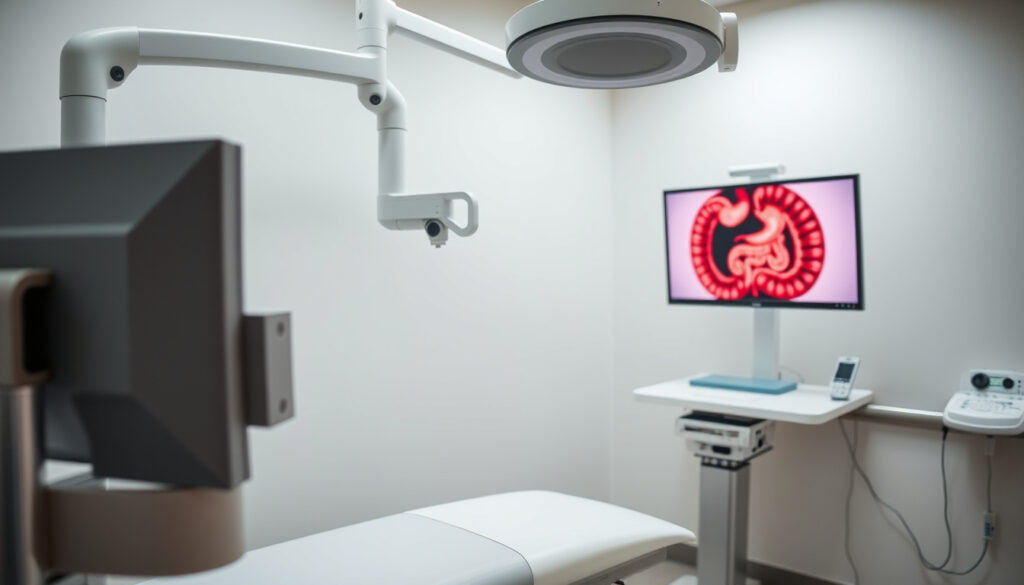
What Is a Colonoscopy – Complete Guide to the Procedure
A colonoscopy is a medical examination that allows a doctor to look inside the entire colon and rectum using a flexible tube equipped with a tiny camera. It is a standard procedure used for colorectal cancer screening, investigating symptoms such as bleeding or abdominal pain, and removing suspicious growths known as polyps. Major health organisations like the Mayo Clinic and the Cleveland Clinic describe it as a safe and routine exam.
For many, the word alone can cause anxiety. However, understanding what the test involves, how to prepare, and what the results mean can remove much of the uncertainty. This guide covers the key facts about the procedure, from preparation and cost to what happens if an abnormality is found. It is based on information from leading medical institutions, including the NIDDK and the CDC.
What is a colonoscopy? Procedure details and preparation
A procedure using a flexible camera to examine the colon and rectum. Used for screening, diagnosis, and treatment.
Typically 30–60 minutes. Preparation starts 1–3 days earlier with a restricted diet and bowel cleansing.
Sedation is usually offered to minimise discomfort. Serious complications are rare (less than 1%).
Polyps, colorectal cancer, inflammatory bowel disease, diverticulosis, and other colon conditions.
Key insights about colonoscopy
- Colonoscopy is considered the gold standard for colorectal cancer screening because it allows direct visualisation of the colon lining.
- It is unique among screening methods because precancerous polyps can be removed during the same procedure.
- In the United States, screening guidelines recommend starting at age 45 for average-risk adults.
- In the United Kingdom, the NHS Bowel Cancer Screening Programme uses a different first test (FOBT) and offers a colonoscopy only if results are positive.
- Most patients report that the bowel preparation, which involves a restricted diet and laxatives, is the most difficult part of the process.
- Under the Affordable Care Act in the US, screening colonoscopies are typically covered at no cost to the patient.
- The procedure itself is usually painless due to sedation, and recovery is often quick.
Snapshot facts about colonoscopy
| Fact | Details |
|---|---|
| Procedure Type | Outpatient, often with light sedation |
| Typical Duration | 30–60 minutes for the exam |
| Preparation Time | 1–3 days of diet restriction and bowel cleansing |
| Detection Rate | Over 95% of significant polyps are detected |
| Risk of Serious Complication | About 1 in 1,000 procedures |
| Recovery Time | Rest for the rest of the day; full recovery by next day |
A colonoscopy test is performed by a gastroenterologist or a surgeon. You lie on your side, and the doctor gently inserts the colonoscope. The colon is inflated with air or carbon dioxide so the lining can be seen clearly. The doctor examines the entire length of the colon and may remove polyps or take tissue samples (biopsies) using small instruments passed through the scope. The NHS explains that you are usually awake during the procedure but are offered medicine to make you more comfortable.
How to prepare for a colonoscopy
Preparation is essential for a clear view. It typically involves a low-fiber diet for a few days, followed by a clear liquid diet for the entire day before the procedure. A strong laxative or bowel-cleansing solution is taken to empty the colon completely. The Cleveland Clinic notes that sometimes the dose is split into two parts for better cleansing. Poor preparation can cause doctors to miss polyps or lesions, which may lead to a repeat test. A review article in PubMed Central states that bowel prep quality is important for detecting colorectal cancer and precancerous lesions.
Female colonoscopy procedure
There is no separate medical procedure called a “female colonoscopy.” The examination is identical for men and women. However, women may have specific practical considerations. For example, symptoms of bowel disease can sometimes be mistakenly attributed to gynaecological issues, leading to under-screening. Pregnancy usually delays the procedure unless it is urgent. For average-risk women, the same general screening guidance applies: begin around age 45 according to the Mayo Clinic.
Is a colonoscopy painful or dangerous? Understanding risks and comfort
Most patients receive sedation or anesthesia, so they are usually relaxed or asleep during the exam. The NHS states that you are offered medicine to make the test easier. Without sedation, some patients report discomfort from the pressure of the scope or the inflation of the colon, but sedation is standard practice in many clinics.
Potential complications and risks
Colonoscopy is generally considered safe, but no invasive procedure is entirely risk-free. Potential risks include bleeding, especially after a biopsy or polyp removal, and perforation, which is a tear in the colon wall. Reactions to sedation and infection are also possible, though rare. The Mayo Clinic and the Cleveland Clinic both list these as potential complications. Most sources stress that serious complications are rare, with some citing a rate of less than 3 in 1,000 procedures.
Serious complications from a colonoscopy, such as perforation or significant bleeding, are rare. CoxHealth cites serious complications as occurring in less than 3 out of every 1,000 procedures.
Urgent warning signs after colonoscopy
It is normal to have a small amount of blood with the first bowel movement after a polyp removal. However, you should contact a doctor promptly if you experience heavy or persistent bleeding, severe abdominal pain, fever, vomiting, dizziness, or an inability to pass gas with severe bloating. The Cleveland Clinic provides this guidance.
What diseases can a colonoscopy detect? And when is an urgent colonoscopy needed?
A colonoscopy can detect a range of conditions. The Cleveland Clinic lists abnormal findings including colon and rectal cancer, precancerous polyps, inflammation (colitis) from infection or autoimmune disease, sources of bleeding, diverticulosis, and narrowing or obstruction of the colon.
Reasons for an urgent colonoscopy
While colonoscopy is often a scheduled screening test, it can be performed urgently. Common reasons include unexplained rectal bleeding, a sudden and persistent change in bowel habits, severe abdominal pain, or the discovery of a mass on another imaging test. If symptoms like significant blood loss or obstruction occur, doctors may recommend the procedure as soon as possible.
Symptoms such as persistent rectal bleeding, unexplained weight loss, or a sudden change in bowel habits may warrant an urgent colonoscopy. These could be signs of a serious underlying condition that needs investigation.
What happens if they find cancer during a colonoscopy?
If a doctor sees a suspicious mass or lesion during the procedure, they will take a biopsy. The doctor will not be able to confirm cancer immediately. The tissue sample is sent to a pathology lab, and results can take several days to a week. If cancer is confirmed, a multidisciplinary team, including surgeons and oncologists, will plan the next steps. Treatment may involve surgery, chemotherapy, or radiation, depending on the stage and location of the cancer. Early-stage detection significantly improves outcomes.
What happens if polyps are found?
Polyps are small growths on the colon lining. Many are harmless, but some can become cancerous over time. One of the key benefits of a colonoscopy is that polyps can often be removed during the procedure itself, which lowers the risk of future colorectal cancer. The Mayo Clinic explicitly notes that removing polyps can help prevent colorectal cancer. Follow-up screening intervals depend on the number and type of polyps found. If only 1–2 small low-risk polyps are removed, the next screening may be in 7–10 years. If higher-risk factors exist, it could be 1–5 years.
How much is a colonoscopy? Cost and insurance coverage
The cost of a colonoscopy varies widely. The CDC notes that colorectal cancer screening tests may be covered without a deductible or copay, depending on the insurance plan. In the US, the Affordable Care Act generally requires coverage of screening colonoscopy costs for eligible tests.
For those without insurance, costs can be significant. WebMD reports a national average cost of around $2,750 for a screening colonoscopy. However, this varies by location. For example, the average cost in New Hampshire without insurance was reported to be $5,298. Other factors that affect the final bill include the type of facility, whether the procedure is screening or diagnostic, anesthesia fees, and whether biopsies or polyp removals are performed.
What are the signs of colon cancer and how does a colonoscopy help?
Colonoscopy is a powerful tool because it can detect cancer at an early stage, often before symptoms appear. It is considered the gold standard for screening because it allows for direct visualisation of the colon lining. For average-risk adults, the Mayo Clinic recommends starting screening at age 45. Screening intervals depend on findings: 10 years if normal and average risk, 7–10 years if 1–2 small low-risk polyps are removed, and 1–5 years if higher-risk factors exist.
For those seeking general health information, you can refer to our guide on HbA1c Normal Range UK – NHS Thresholds and Charts. Dental health is also an important part of overall wellness; read about Composite Bonding Near Me – Costs, Procedure and Top Dentists.
Timeline: What happens before, during, and after a colonoscopy
- 2–3 Days Before: Switch to a low-fiber diet and stop certain medications (e.g., blood thinners) as advised by your doctor.
- 1 Day Before: Consume only clear liquids and begin the bowel preparation (laxative solution or pills).
- Morning of Procedure: Complete the bowel prep and have nothing by mouth for 2–4 hours before the exam.
- During Procedure: Receive sedation (optional), the colonoscope is inserted, and the colon is inflated. The doctor examines the lining and may remove polyps or take biopsies. The exam itself takes 20–40 minutes.
- Recovery (30–60 minutes after): You are observed in a recovery area until the sedation wears off. You will need a ride home.
- Next 24 Hours: Do not drive or operate heavy machinery if sedated. You can return to a normal diet gradually.
What we know and what remains unclear about colonoscopy
| Established Information | Information That Remains Unclear or Variable |
|---|---|
| Colonoscopy is highly accurate for detecting most colorectal cancers and precancerous polyps. | It may miss flat or subtle lesions; other tests, such as CT colonography, may be used as a complement. |
| Polyps can be removed during the procedure, which reduces cancer risk. | If cancer is found, further steps (surgery, chemotherapy) depend on the stage and location of the cancer, and biopsy results take several days. |
| Sedation makes the procedure painless for most patients. | Without sedation, some patients feel discomfort; the choice of sedation varies by clinic and patient preference. |
| Bowel preparation is essential for a clear view. | Incomplete prep may require a repeat colonoscopy; some patients experience nausea or bloating from the prep solution. |
Why colonoscopy matters for colorectal cancer prevention
Colorectal cancer is one of the most common cancers worldwide. What makes colonoscopy unique among screening methods is that it can both find and remove precancerous polyps in a single session. Regular screening has been shown to significantly reduce mortality from the disease. The American Cancer Society and other organisations describe it as the gold standard for screening.
Guidelines for screening vary by country. In the US, the U.S. Preventive Services Task Force (USPSTF) recommends starting at age 45. In the UK, the NHS Bowel Cancer Screening Programme targets people aged 50–74 and uses a different initial test, offering colonoscopy only when results are positive. Cost can also be a barrier in some healthcare systems, making it important for patients to understand their insurance coverage.
What do medical experts say about colonoscopy?
“A colonoscopy is an examination of the inside of your large intestine (colon). It’s helpful for diagnosing gastrointestinal diseases, such as inflammatory bowel disease and colon cancer.”
Cleveland Clinic (my.clevelandclinic.org)
“A colonoscopy (koe-lun-OS-kuh-pee) is a procedure used to examine the inside of the colon, rectum and when indicated the end of the small intestine.”
Mayo Clinic (mayoclinic.org)
“Colonoscopy is the gold standard for colorectal cancer screening. It allows for direct visualization and biopsy of the colon lining.”
American Cancer Society (cancer.org)
Summary: What is the main takeaway about colonoscopy?
A colonoscopy is a safe and effective procedure that plays a vital role in preventing and detecting colorectal cancer. The preparation requires planning and discipline, but the procedure itself is typically painless due to sedation. Understanding the costs, risks, and what to expect can help patients approach the test with confidence. Regular screening, starting at age 45 for average-risk adults, remains one of the most powerful tools available for reducing colorectal cancer mortality.
Frequently asked questions about colonoscopy
Can I eat solid food the day before a colonoscopy?
No. You must switch to a clear liquid diet the day before. This includes water, clear broth, and apple juice, but not red or purple liquids.
How long does the actual procedure take?
The examination itself usually takes 20 to 40 minutes. You should plan to be at the facility for 2 to 3 hours total, including preparation and recovery.
Do I always need sedation?
Sedation is standard practice in most places, but it is not always mandatory. Some patients opt for lighter sedation or none at all, though this may cause discomfort.
How soon can I return to work?
Most people feel well enough to return to normal activities by the next day, especially if they were sedated. You should not drive for 24 hours after sedation.
Will I have a bowel movement during the procedure?
No. The colon is thoroughly emptied before the exam, so this is not a concern.
Can I take my regular medications before a colonoscopy?
You may need to stop certain medications, especially blood thinners and diabetes drugs. Always follow your doctor’s specific instructions.
What does it mean if they find a polyp?
Polyps are common and often harmless. They are usually removed during the procedure. The tissue is then examined under a microscope to determine if it is precancerous.
Is a colonoscopy safe for older adults?
It can be safe, but the decision is made on an individual basis. Older adults may have more sedation-related risks and a higher chance of dehydration from prep.
What happens if the prep is incomplete?
The doctor may not be able to see the colon lining clearly. This could mean the procedure needs to be repeated with a better preparation.
More related posts
 SA-W vs EN-W – Head-to-Head Records and Stats Analysis
 Jurrien Timber – Injury Update, Return Date, Stats
 7 Habits of Highly Effective People – Summary and Key Insights
 Racing Post Fast Results – UK Irish Winners Odds Today
 Harry Potter and the Cursed Child – Tickets, Cast, London 2025
 MPG to L/100km – Accurate Conversion Formula Guide
 Arsenal F.C. vs Bayern Munich Standings – Full Champions League Record
 JJK Season 3 Release Date – Crunchyroll Schedule and Times