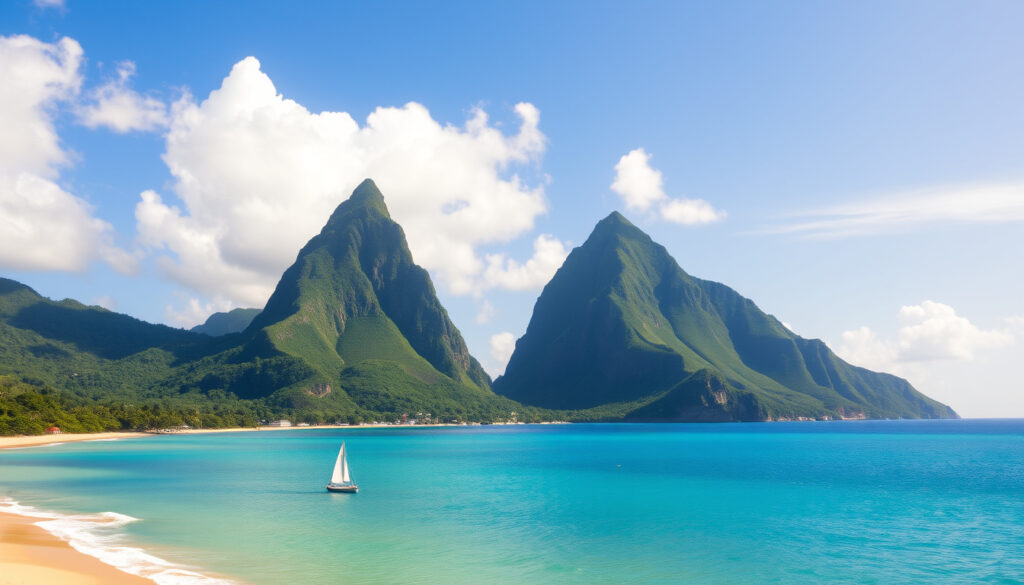
St Lucia – Complete Travel Guide for 2026
St Lucia draws travellers with its volcanic peaks, palm‑fringed beaches and a reputation for luxurious all‑inclusive resorts. But beyond the holiday brochures, the island also holds a distinct identity as an independent Caribbean nation. This guide combines geography, practical travel information and cultural context to help you plan a trip or simply learn more about this Eastern Caribbean destination.
Where is St Lucia? Location, Map, and Country Status
Saint Lucia (self‑governing, part of the Commonwealth)
Eastern Caribbean, Windward Islands
Castries
~180,000 (2024 estimate)
- St Lucia is an independent country within the Commonwealth realm, not part of the US or UK.
- Visitors from the UK, US, and most EU countries do not need a visa for stays up to 6 weeks.
- The island is famous for the Pitons (volcanic spires) and a drive‑in volcano.
- All‑inclusive resorts dominate the tourist accommodation landscape.
- English is the official language; Saint Lucian Creole French is also widely spoken.
- The Eastern Caribbean Dollar (XCD) is the official currency, though US dollars are widely accepted.
| Attribute | Value |
|---|---|
| Official name | Saint Lucia |
| Capital | Castries |
| Population | ~180,000 |
| Language | English |
| Currency | Eastern Caribbean Dollar (XCD) |
| Time zone | AST (UTC‑4) |
| Drives on | Left |
| Area | 616–617 km² |
| Location | Eastern Caribbean, south of Martinique, northeast of Saint Vincent |
St Lucia lies in the eastern Caribbean Sea on the boundary with the Atlantic Ocean, part of the Windward Islands of the Lesser Antilles. It is about 27 miles (43 km) long and up to 14 miles (23 km) wide. The island is volcanic and mountainous, with fertile valleys and iconic peaks such as Gros Piton and Petit Piton. Britannica and Wikipedia both confirm these geographical details.
Is St Lucia a Good Holiday Destination?
St Lucia is widely promoted as a warm tropical holiday destination with beach resorts, scenic coastlines, and volcanic attractions. Travel‑oriented sources describe it as especially attractive for resort stays and island vacations. The island’s tourism branding emphasises beaches, luxury resorts, and scenic natural landmarks.
What is St Lucia known for?
Common visitor highlights include the Piton mountains, volcanic landscapes, beaches, and coastal sightseeing. The country’s unique drive‑in volcano, the Sulphur Springs, is another major draw. EBSCO research starters note that the island’s geography and culture set it apart from other Caribbean destinations.
The best time to visit St Lucia is December to May, the dry season. Hurricane season runs June to November, which can affect travel plans. Travelers should check weather forecasts before booking.
Is St Lucia worth visiting for a holiday?
For many travellers, the combination of volcanic scenery, luxurious all‑inclusive resorts, and year‑round warm weather makes St Lucia a compelling option. Direct comparisons with other islands such as Barbados and Antigua are common, but St Lucia’s unique geography – especially the Pitons – gives it a distinct appeal. National Geographic Kids highlights the island’s natural wonders as a key attraction for families.
Best All-Inclusive Resorts in St Lucia
The island is especially associated with coastal resort zones on the west coast and around the northern tourism corridor near Rodney Bay and Gros Islet. Many of the best‑known all‑inclusive properties are located in these areas, offering beachfront access, multiple dining options, and organised excursions.
Popular resort areas include the northwest coast near Castries and the southern part near the Pitons. Travelers seeking luxury often choose properties in the Soufrière region, where views of the twin peaks are a highlight. IMIN Caribbean notes that St Lucia’s resort infrastructure is built around the island’s natural beauty, with many accommodations designed to blend into the landscape.
All‑inclusive packages often include flights, transfers, and excursions. For the best deals, compare package prices from tour operators that specialise in Caribbean holidays. Prices vary by season, with the dry season (December–May) being the most expensive.
St Lucia Entry Requirements: Passports, Visas & Currency
Entry rules can vary by nationality and travel purpose. Travelers should verify requirements before departure with official Saint Lucia government or diplomatic sources. The UK Foreign Office travel advice provides up‑to‑date information for British passport holders.
Do I need a visa for St Lucia from the UK?
UK citizens do not need a visa for stays up to 6 weeks. A valid passport is required. Citizens of the US and most EU countries similarly enjoy visa‑free access for short stays. For other nationalities, it is essential to check the official requirements.
What currency is used in St Lucia?
The Eastern Caribbean Dollar (XCD) is the official currency. US dollars are widely accepted in hotels, restaurants, and shops. The Eastern Caribbean Central Bank oversees the currency and its exchange rate.
What language is spoken in St Lucia?
English is the official language. Saint Lucian Creole French, a French‑based creole, is also widely spoken, especially in informal settings. Visitors will find most tourism staff communicate in English.
St Lucia Flag: What It Looks Like and What It Symbolises
The flag features a light blue field with a central stylised triangular design in black, white, and gold. According to World Atlas, the design symbolises the Pitons and the island’s geography. The blue represents the sky and the sea, the black and white triangles represent the twin peaks, and the gold represents the sun.
How Did St Lucia’s History Unfold?
- ~200 AD: Arawak settlement on the island.
- ~800 AD: Carib settlement, displacing the Arawaks.
- 1502: Sighted by Europeans (disputed exact date).
- 17th century: French colonisation began.
- 1814: Became a British colony under the Treaty of Paris.
- 1979: Independence from the United Kingdom.
- Present: Commonwealth realm, member of the UN and OAS.
This timeline is based on historical records compiled by Wikipedia and other academic sources.
What Is Certain and Uncertain About St Lucia?
| Established information | Information that remains unclear |
|---|---|
| St Lucia is an independent country in the Caribbean. | Exact first sighting date is debated among historians. |
| English is the official language. | Population figures vary by source (180,000–185,000 depending on year). |
| The population is approximately 180,000. | Hurricane season (June–Nov) can affect travel; certainty about long‑term weather is low. |
| The flag features a black, yellow, and blue design with white triangles. | Some details of early indigenous history are still being studied. |
This table reflects the balance of verified facts and areas where information is less precise, as noted in the research sources used.
Why Is St Lucia a Popular Travel Destination?
Tourism drives roughly 65% of St Lucia’s GDP, making the sector a central pillar of the economy. The island remains a top Caribbean destination for UK and US tourists, especially for luxury all‑inclusive stays. Competing islands such as Barbados and Antigua offer similar beach holidays, but St Lucia’s volcanic scenery – including the Pitons and the drive‑in volcano – provides a unique draw. Hurricane risk is a significant factor for travellers, as the Atlantic hurricane season runs from June to November.
Economic and travel data from sources like World Population Review and the Official Saint Lucia Tourism Authority underline the importance of tourism to the island’s economy.
Where Does This Information Come From?
“Saint Lucia is an island country in the eastern and southern Caribbean.”
– Wikipedia (Saint Lucia page)
“From thrilling hikes to peaceful forest reserves, immerse yourself in nature and adventure.”
– Official Tourism Website (stlucia.org)
“Holidays to St Lucia are all about intrepid adventures, storybook scenery and downtime on the beach.”
– TUI UK
These quotes reflect the official and commercial perspectives that shape common understanding of the destination.
What Is the Takeaway?
St Lucia is a self‑governing Caribbean island nation with a strong tourism identity, known for its volcanic landscapes, all‑inclusive resorts, and clear tropical waters. For travellers, the dry season (December–May) offers the best conditions, while visa‑free access for many nationalities makes planning straightforward. The island’s flag, history, and culture add depth to what is often seen as a pure beach holiday. Whether you are drawn by the Pitons, the drive‑in volcano, or the luxury resorts, St Lucia provides a distinct Caribbean experience that combines natural wonder with modern comfort.
Frequently Asked Questions
What is the best time to visit St Lucia?
The best time is December to May (dry season). Hurricane season runs June to November.
Do I need a visa for St Lucia from the UK?
UK citizens do not need a visa for stays up to 6 weeks. A valid passport is required.
What currency is used in St Lucia?
The Eastern Caribbean Dollar (XCD) is the official currency. US dollars are widely accepted.
What language is spoken in St Lucia?
English is the official language. Saint Lucian Creole French is also widely spoken.
What is the population of St Lucia?
Estimates vary, but the population is generally reported at around 175,000–184,000 people.
Is St Lucia part of the United States or the United Kingdom?
No. St Lucia is an independent country within the Commonwealth realm, with its own government.
What are the Pitons?
Gros Piton and Petit Piton are two volcanic spires on the southwest coast, a UNESCO World Heritage site.
How long is the flight from the UK to St Lucia?
Direct flights from London take about 8–9 hours. Airlines such as British Airways and Virgin Atlantic operate routes.
What is the drive‑in volcano?
The Sulphur Springs in Soufrière is considered the world’s only drive‑in volcano, where visitors can see hot springs and bubbling mud pools.
Is St Lucia safe for tourists?
St Lucia is generally considered safe for tourists, but standard precautions should be taken, especially in urban areas and at night.
More related posts
 Kris Thykier – Age, Net Worth, Kids and Career of the Producer
 Amy Winehouse – Biography, Cause of Death and Lasting Legacy
 Premier League Fixtures Today Results and Table – Arsenal Lead Title Race
 Composite Bonding Near Me – Costs, Procedure and Top Dentists
 B&Q Belfast – Complete Guide to Stores, Hours and Services
 MPG to L/100km – Accurate Conversion Formula Guide
 Big Motoring World Cannock – Used Cars, Prices and Reviews
 Damian Hardung – Biography, Career and Personal Life Facts