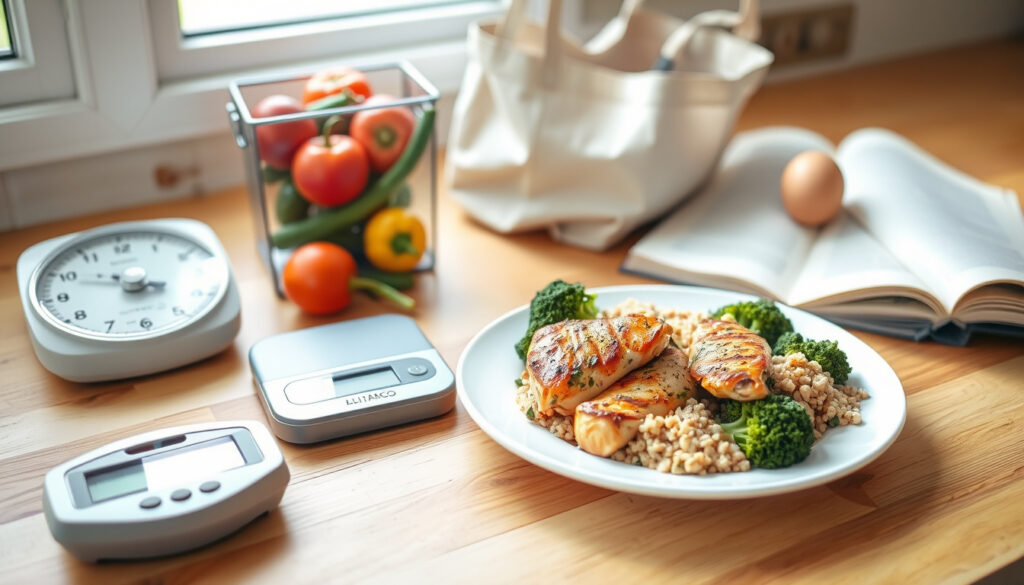
Healthy Meals for Weight Loss – Budget, High-Protein & Beginner Recipes
Healthy meals for weight loss don’t have to be expensive, complicated, or bland. Whether you’re looking for budget-friendly options, high-protein dishes, vegetarian ideas, or meals ready in 15 minutes, the key is building recipes around affordable, satiating ingredients. This guide brings together the strongest recurring strategies from nutrition experts and recipe collections to help you eat well while losing weight.
The most effective approach focuses on high-protein, high-fiber ingredients such as eggs, beans, lentils, tofu, Greek yogurt, and cottage cheese. These staples appear repeatedly in budget and high-protein meal plans because they are both affordable and filling. Quick cooking methods like stir-frying, sheet-pan roasting, and one-pan skillets make weeknight meal preparation practical and sustainable.
What Are the Best Healthy Meals for Weight Loss on a Budget?
Building a weight loss meal plan on a budget means choosing ingredients that deliver protein and fiber without a high cost. The following overview highlights four core meal categories that balance nutrition, cost, and convenience.
Budget-Friendly
Tasty, filling meals built around low-cost staples like lentils, eggs, beans, and seasonal vegetables. Stir-fried tofu with mixed vegetables and quinoa is a prime example from budget meal plans.
High-Protein
Meals designed to keep you full and support muscle maintenance during weight loss. Chickpea or lentil curry, vegetarian chili, and quinoa veggie fried rice all deliver 20–30g of protein per serving.
Vegetarian & Vegan
Plant-based options that deliver flavor and fiber from beans, tofu, chickpeas, quinoa, and eggs. Black bean burgers and veggie omelets are budget-friendly, beginner-friendly choices.
Quick (15 Min or Less)
Time-saving recipes ideal for busy schedules. Stir-fry bowls, loaded vegetarian burritos, and one-pot curries can be assembled in under 30 minutes using pre-cut vegetables and canned legumes.
Key Insights for Effective Weight Loss Meals
- Protein is the most satiating macronutrient—aim for 20–30g per meal to reduce overall calorie intake naturally.
- Fiber-rich vegetables and whole grains add volume to meals without significant calories, helping you feel full longer.
- Meal prepping on weekends can save time and money while keeping your weight loss goals on track during busy weekdays.
- Calorie density matters more than portion size: a large bowl of vegetable soup can have fewer calories than a small handful of nuts.
- Combining protein with healthy fats (like avocado or olive oil) slows digestion and stabilizes blood sugar, reducing cravings.
Quick Facts: Healthy Meals for Weight Loss
| Metric | Recommended Range |
|---|---|
| Calorie Target per Main Meal | 400–600 kcal for moderate weight loss |
| Protein Goal per Meal | 20–30g to support satiety and muscle mass |
| Daily Fiber Goal | 25–30g from vegetables, fruits, and whole grains |
| Meal Prep Time (Quick Recipes) | 15–30 minutes per recipe |
| Weekly Meal Prep Session | 1–2 hours for batch cooking staples |
| Key Ingredients to Keep on Hand | Lean proteins, leafy greens, legumes, whole grains, healthy fats |
| Preferred Cooking Methods | Stir-frying, sheet-pan roasting, one-pan skillets, batch cooking |
| Calorie Density Principle | Low-calorie-density foods (vegetables, soups) help maintain satiety |
6 Healthy Dinner Ideas for Weight Loss to Try Tonight
Dinner is often the meal where planning falls apart. Having a set of go-to recipes that are quick, satisfying, and aligned with weight loss goals makes a significant difference. The following six ideas come from recipe collections that emphasize high protein, low cost, and simple preparation.
Stir-Fried Tofu with Mixed Vegetables and Quinoa
Listed as a budget meal in low-budget meal plans, this dish uses affordable tofu, frozen vegetables, and quinoa. A soy-garlic sauce brings it together in about 20 minutes.
Chickpea or Lentil Curry
Chickpea or lentil curry is highlighted as a quick high-protein dinner option that can be made in under 30 minutes. It relies on pantry spices, canned tomatoes, and onions, making it both budget-friendly and beginner-friendly.
Vegetarian Chili
Vegetarian chili appears in multiple high-protein dinner roundups and is built from beans, vegetables, and tomatoes. It freezes well and can be made in large batches for easy reheating.
Quinoa Veggie Fried Rice
This dish combines eggs, quinoa, and vegetables for a 30-minute dinner. It is a flexible recipe that works with whatever vegetables are on hand.
Black Bean Burgers
Black bean burgers are suggested as a budget-friendly vegetarian protein option, especially when made in batches and frozen. They are served with salad or whole-wheat buns.
Veggie Omelet or Frittata
Egg-based vegetable meals like omelets or frittatas are repeatedly mentioned in budget and slimming-world-style recipe ideas because eggs are inexpensive and versatile. Leftover vegetables can be used up this way.
Batch cooking saves time, money, and decision fatigue during the week. Good batch targets include chili, curry, rice, quinoa, roasted vegetables, tofu, and cooked beans or lentils. Many of these dishes freeze well for later use.
High-Protein Healthy Meals for Weight Loss: What Works Best?
Protein is consistently shown to be the most satiating macronutrient. When you aim for 20–30g of protein per meal, you naturally reduce overall calorie intake without feeling deprived. For vegetarian meal plans, the most reliable protein sources are beans, lentils, tofu, chickpeas, quinoa, eggs, and edamame.
Best Low-Cost Protein Staples
Eggs are cheap, fast, and repeatedly mentioned in vegetarian protein meals. Beans and lentils are central to budget meal plans and appear in chili and curry recipes. Tofu is another main budget protein option highlighted in low-budget meal plans. Greek yogurt and cottage cheese are useful for higher-protein breakfasts or quick sides, though they are not suitable for dairy-free diets.
How Protein Supports Weight Loss
Protein triggers the release of appetite-suppressing hormones such as GLP-1 and PYY. Starting the day with a protein-rich breakfast—eggs or Greek yogurt, for example—can reduce cravings later in the day. High-protein dinners also help maintain muscle mass during a calorie deficit.
Sample High-Protein Vegetarian Dinner Combinations
A lentil curry served with rice delivers around 25g of protein per portion. A tofu stir-fry with quinoa provides a similar amount. Black bean burgers with a side salad and a dollop of Greek yogurt can reach 30g of protein. The key is combining legumes with grains to create complete protein profiles.
Distributing protein evenly across meals—rather than loading it all at dinner—may improve satiety and muscle protein synthesis throughout the day. Aim for at least 20g at breakfast, lunch, and dinner.
Simple Healthy Meals for Weight Loss for Beginners
Starting a weight loss meal plan can feel overwhelming. The simplest approach uses a flexible template: choose one protein, one vegetable mix, one carbohydrate, and one sauce or spice profile. This formula works with any combination of ingredients and scales easily.
The Starter Formula
- 1 protein: tofu, beans, lentils, eggs, or chickpeas
- 1 vegetable mix: fresh or frozen mixed vegetables, onions, peppers, spinach, broccoli
- 1 carbohydrate: rice, quinoa, pasta, potatoes, or wraps
- 1 sauce or spice profile: soy-garlic, chili-tomato, curry, or Italian herb
Beginner-Friendly Dinner Templates
The following templates are drawn from budget meal plans and high-protein recipe collections. They require minimal cooking experience and use forgiving ingredient lists.
- Bean chili bowl: onions, canned beans, chopped tomatoes, peppers, chili spices, served with rice or a baked potato
- Tofu stir-fry: tofu, frozen mixed vegetables, soy sauce, garlic, served with quinoa or rice
- Egg veggie fried rice: cooked rice, eggs, frozen peas and carrots, soy sauce
- Lentil curry: lentils, curry spices, onion, tomatoes, spinach, served with rice
- Black bean burgers: black beans, oats or breadcrumbs, spices, served with salad
- Veggie omelet or frittata: eggs, leftover vegetables, a little cheese, served with salad or roasted vegetables
Even healthy meals can lead to weight gain if portions are too large. A simple guideline is to fill half your plate with vegetables, a quarter with protein, and a quarter with carbohydrates. This visual cue helps maintain balance without calorie counting.
Full Day of Weight Loss Recipes: Breakfast, Lunch, and Dinner
A complete day of eating that supports weight loss should be structured around affordable protein, quick cooking, and repeatable meals. The following one-day beginner vegetarian plan is based on budget meal plans and high-protein recipe collections.
Sample One-Day Menu
- Breakfast: Greek yogurt with berries, or eggs on toast if dairy and eggs are included
- Lunch: leftover lentil curry or bean chili from the previous night’s batch cooking
- Dinner: tofu stir-fry with frozen vegetables and rice
- Snack: fruit, yogurt, or roasted chickpeas
This structure emphasizes ingredients that are low-cost, high in protein and fiber, and easy to prepare. Each meal can be made in 30 minutes or less, and leftovers are intentionally built into the plan.
Your First Week of Healthy Weight Loss Meals: A Step-by-Step Timeline
Starting a new eating pattern is easier when broken into small, manageable steps. The following timeline guides you through the first week.
- Day 1 – Start Simple: Choose one breakfast and one dinner recipe from the beginner-friendly collection above. Focus on consistency, not perfection.
- Days 2–3 – Add Variety: Introduce a new protein source, such as tofu or lentils, and notice how full you feel after each meal.
- Days 4–5 – Meal Prep Basics: Spend 30 minutes prepping ingredients for 2–3 dinners. This reduces decision fatigue and keeps you on track.
- Days 6–7 – Reflect and Adjust: Review what worked—for example, high-protein dinners kept you full—and what needs tweaking, such as portion sizes or snack choices.
What Science Says (and What’s Still Unclear) About Meals for Weight Loss
Nutrition science has established several principles that reliably support weight loss. At the same time, some questions remain unanswered and depend on individual factors.
| Established Information | Information That Remains Unclear |
|---|---|
| High-protein meals (20–30g per meal) consistently help reduce overall calorie intake by increasing satiety. | The ideal ratio of carbohydrates to fat for weight loss varies by individual. No single best ratio has been proven for everyone. |
| Fiber-rich vegetables and whole grains support weight loss by adding bulk and slowing digestion. | Intermittent fasting versus multiple small meals: research shows both can work, but adherence is the strongest predictor of success. |
| Cooking at home is strongly associated with better weight management compared with eating out. | Specific superfoods such as kale or avocado are beneficial but not magical—overall dietary pattern matters more than any single ingredient. |
Why These Meals Work: The Science Behind Effective Weight Loss Eating
Meals that are low in calories but high in volume—such as vegetable-based soups and stir-fries—allow you to eat satisfying portions while maintaining a calorie deficit. This principle of calorie density is central to many effective weight loss meal plans.
Protein triggers the release of appetite-suppressing hormones like GLP-1 and PYY. Starting your day with a protein-rich breakfast can reduce cravings throughout the day. Soluble fiber from oats, beans, and apples slows carbohydrate absorption, preventing blood sugar spikes that lead to energy crashes and overeating.
The combination of protein, fiber, and volume is the foundation of the meal ideas throughout this guide. Each recipe is designed to maximize satiety while keeping calories in check.
Where Do These Recommendations Come From?
The meal ideas and strategies in this guide are drawn from established health organizations, expert-reviewed recipe collections, and community-based weight loss programs. The following quotes reflect the tone and authority of the sources used.
“Eating well while losing weight is still possible. Check out our lighter lunch recipes and healthy but satisfying dinners, all for under 500 calories.”
— BBC Good Food
“Make your own healthy changes with our free support for adults. Get tips, tools and simple ideas to help you lose weight.”
— NHS Healthier Families
“These weight loss recipes are a great place to start. From breakfast to lunch to dinner, these recipes are low in calories and high in fiber.”
— EatingWell (February 2025)
Additional practical guidance came from budget-focused meal plans at Berrystreet, high-protein recipe collections at Nourish Move Love and Motherly, and community discussions on Netmums about Slimming World-style meals. Each source was selected for its focus on real-world, accessible cooking.
What’s the Bottom Line for Healthy Weight Loss Meals?
The most effective weight loss meals are built around affordable protein sources, plenty of vegetables, and simple cooking methods. Batch cooking a few reliable recipes each week—such as chili, curry, or stir-fry—removes guesswork and keeps you consistent. From there, you can explore themed meal plans, dive deeper into specific ingredients like lentils or avocados, and learn to use food tracking tools to fine-tune your choices. The key is starting simple and building habits that last. For perfect egg preparation in your breakfast or batch cooking, check out our How Long to Soft Boil an Egg – Complete Timing Guide. And if you need reliable cookware for one-pot meals, the Le Creuset Dutch Oven – Size Guide, Prices and Best Recipes can help you choose the right tool.
Frequently Asked Questions About Healthy Meals for Weight Loss
Can I eat cheat meals while trying to lose weight?
Yes, occasional cheat meals—once per week, for example—can help with long-term adherence. The key is moderation and returning to your healthy meal plan immediately afterward.
What are the best Slimming World recipes for weight loss?
Slimming World focuses on Free Foods such as lean meats, vegetables, and pasta. Popular recipes include syn-free curries, chip shop-style fish and chips with syn-free chips, and hearty casseroles.
How can I make healthy meals for weight loss in 15 minutes?
Use pre-cut vegetables, pre-cooked proteins like canned beans, and quick-cooking grains such as couscous or quinoa. Stir-fries, sheet-pan meals, and omelets are ideal 15-minute options.
What are the best healthy meals for weight loss in the UK?
UK favorites include roasted vegetable and chicken traybakes, jacket potatoes with cottage cheese, and hearty soups like lentil or minestrone. The NHS Healthier Families site offers UK-tailored recipes.
Are there good healthy meals for weight loss that are also vegetarian?
Yes. Vegetarian weight loss meals include lentil bolognese, chickpea and spinach curries, quinoa-stuffed bell peppers, and tofu stir-fries. These are high in protein and fiber without meat.
How much protein do I need per meal for weight loss?
Aim for 20–30g of protein per meal. This amount has been shown to increase satiety and help maintain muscle mass during a calorie deficit.
Do I need to count calories to lose weight?
Not necessarily. Focusing on protein, fiber, and portion control—such as filling half your plate with vegetables—can achieve a calorie deficit without formal counting.
What are the best low-cost protein sources for vegetarian weight loss?
Eggs, beans, lentils, tofu, chickpeas, and Greek yogurt are the most affordable and versatile protein sources for vegetarian weight loss meal plans.
Can I freeze weight loss meals for later?
Yes. Chili, curry, black bean burgers, and lentil soups freeze particularly well. Batch cooking and freezing portions saves time and keeps you on track.
What is the simplest formula for a healthy weight loss dinner?
Choose one protein (tofu, beans, eggs), one vegetable mix, one carb (rice, quinoa, potatoes), and one sauce or spice profile. Combine and cook in 20–30 minutes.
More related posts
 Stocking Fillers for Kids – Best Budget Picks Under £10
 David Beckham – Biography, Net Worth, Family and Career in 2025
 Big Motoring World Cannock – Used Cars, Prices and Reviews
 What Is 6 7 – The 2025 Youth Meme Explained
 Potty Training – Complete UK Guide with NHS and ERIC Advice
 Premier League Winners List – Every Champion Since 1992
 Cast of Brooklyn Nine-Nine – Actors, Characters and Seasons Guide
 SA-W vs EN-W – Head-to-Head Records and Stats Analysis